Should You Hire a Wedding Planner? | Pittsburgh Wedding Planning Guide
August 17, 2023
Natalia Baqueiro
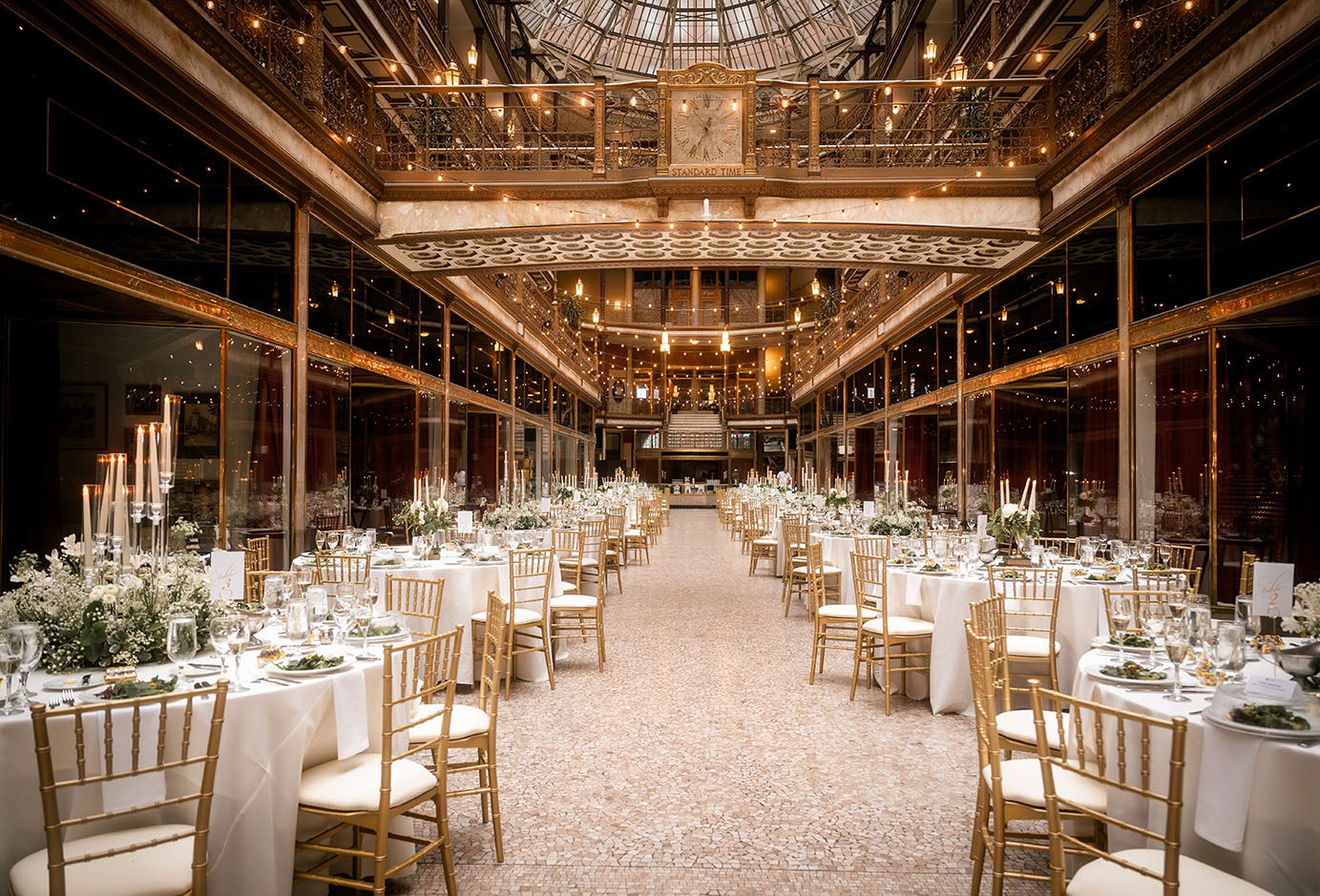
Should You Hire a Wedding Planner? Everything You Need to Know Before You Decide
Planning your wedding is exciting—but it can also feel overwhelming. So how to know if you should hire a wedding planner.
One of the first questions many couples ask after getting engaged is whether hiring a wedding planner is really necessary. The answer depends on your wedding, your priorities, and how involved you want to be in the planning process.
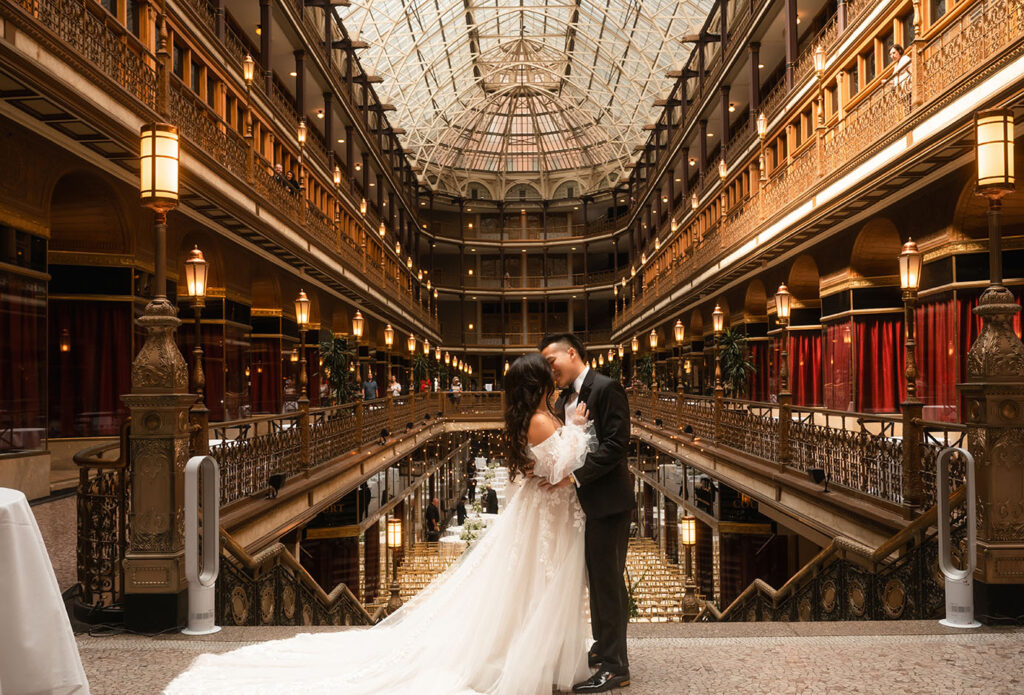
After photographing weddings throughout Pittsburgh for years, I’ve experienced wedding days with full-service planners, month-of coordinators, venue coordinators, and weddings where couples managed everything themselves. I’ve seen firsthand how each approach changes the flow of the day.
In this guide, I’ll explain exactly what wedding planners do, when hiring one makes sense, when you might not need one, and how to decide what’s right for your celebration.

What Does a Wedding Planner Actually Do?
A wedding planner helps you navigate the entire planning process—from the first venue tour to the last dance.
Depending on the package you choose, they may help with:
- Creating and managing your budget
- Recommending trusted vendors
- Scheduling appointments
- Reviewing contracts
- Building your wedding timeline
- Managing RSVPs
- Designing the overall aesthetic
- Coordinating rentals
- Solving unexpected problems
- Managing vendor communication
- Running your rehearsal
- Overseeing your wedding day
Think of them as the person making hundreds of small decisions so you don’t have to.
Wedding Planner vs. Wedding Coordinator
This is one of the most common misconceptions.
Wedding Planner
A planner works with you throughout the planning process, often beginning shortly after you get engaged.
They guide major decisions, recommend vendors, manage logistics, and help create your overall vision.
Wedding Coordinator
A coordinator usually joins later in the process—often 30 to 60 days before the wedding.
They take everything you’ve already planned and make sure it actually happens on the wedding day.
Their focus is execution rather than planning.
Both are incredibly valuable, but they serve different purposes.

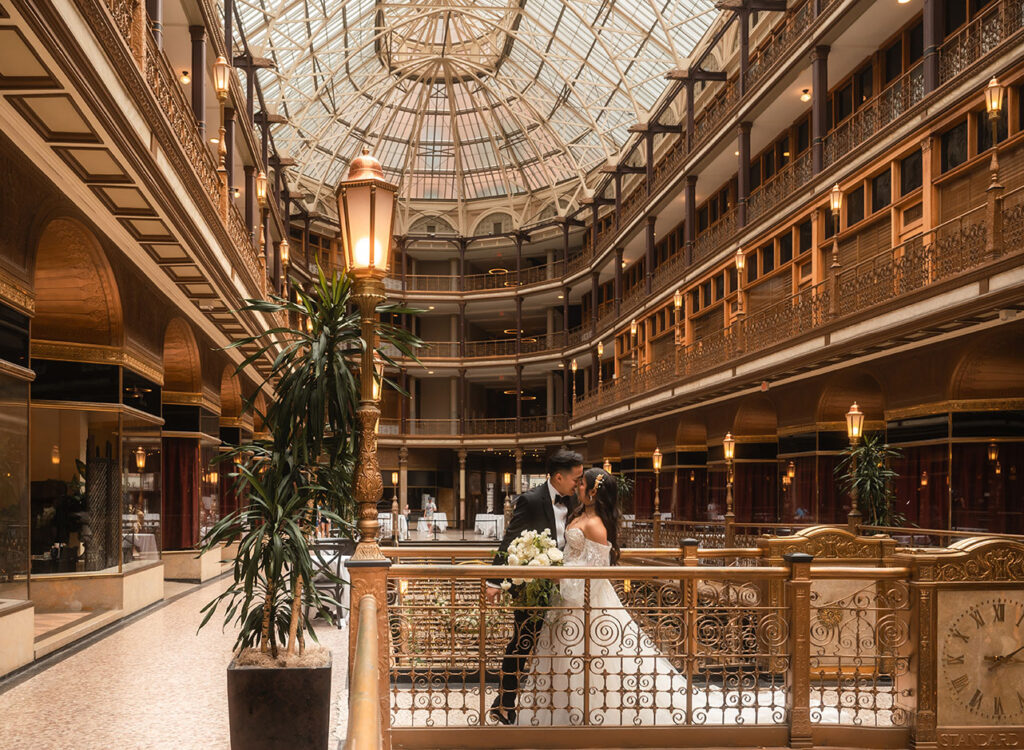
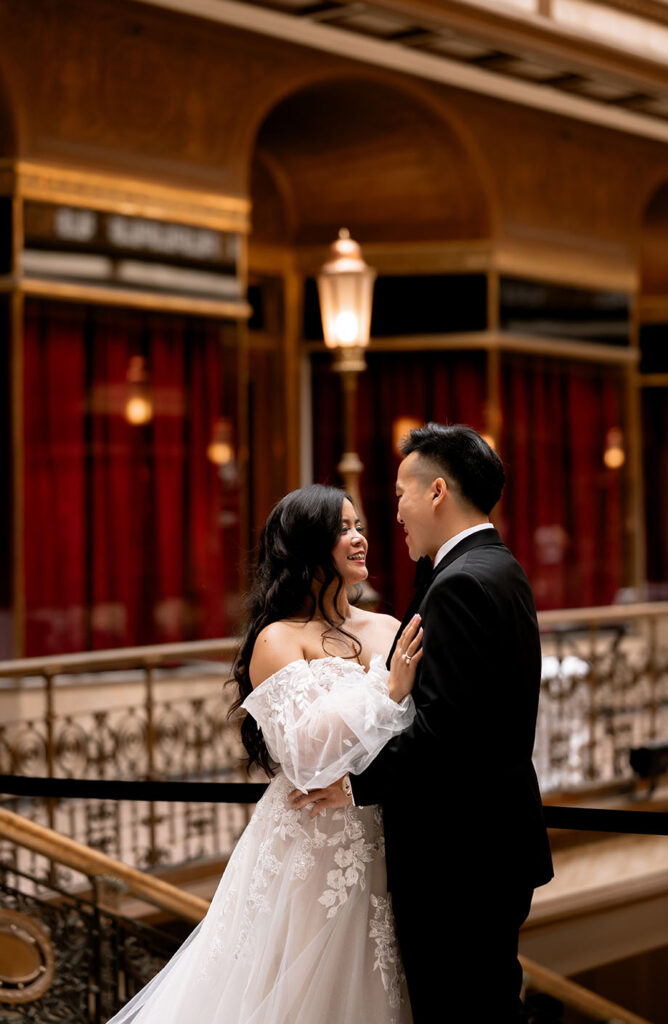
Signs You Should Hire a Wedding Planner
Hiring a planner is often worth the investment if:
You’re planning a luxury wedding. Remember, the more moving pieces your wedding has, the more valuable professional guidance becomes.
If you’re busy with work, planning a wedding can easily become a second full-time job.
If you’re planning from another city it can get complicated.
Many of my couples live outside Pittsburgh, and having someone local makes an enormous difference.
Another thing to consider is your guest count. If you’re inviting more than 100 guests it can be a good idea, because large guest counts create more logistics.
Definitely, If you’re getting married at a venue without an in-house coordinator, it’s best you hire someone who can help out with everything.
Some wedding venues provide incredible coordination, others simply provide the space.
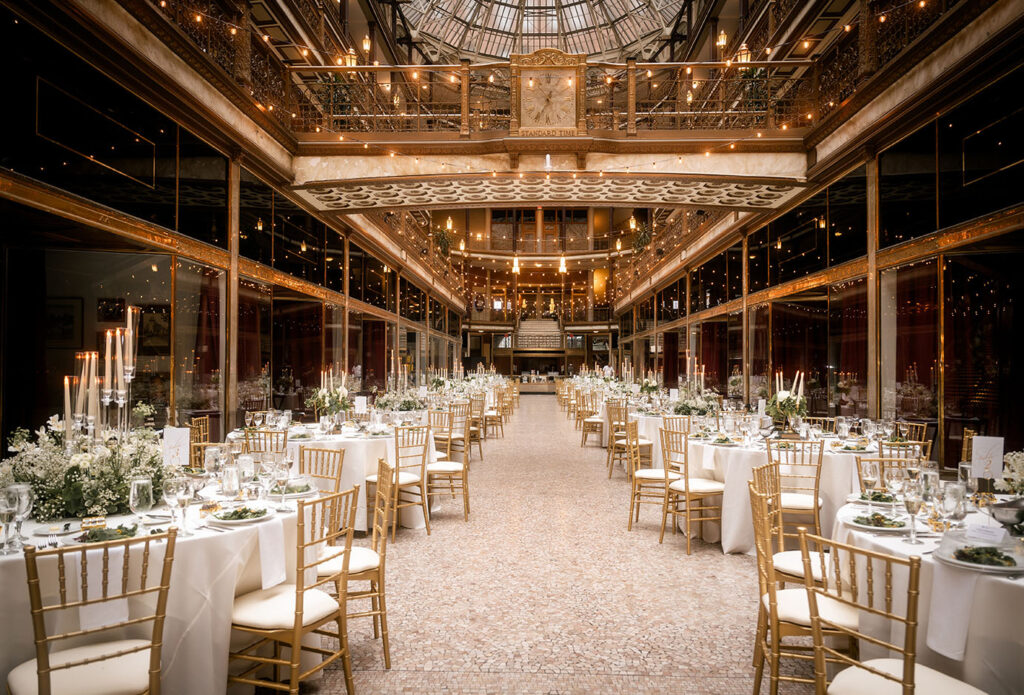
When You Might Not Need a Full-Service Planner
Not every wedding requires one.
You may only need a month-of coordinator if:
- You’re having an intimate wedding.
- Your venue includes coordination.
- You’re comfortable planning.
- Your wedding is relatively simple.
- You have plenty of time to organize everything.
Even then, I almost always recommend having someone besides family manage the wedding day itself.
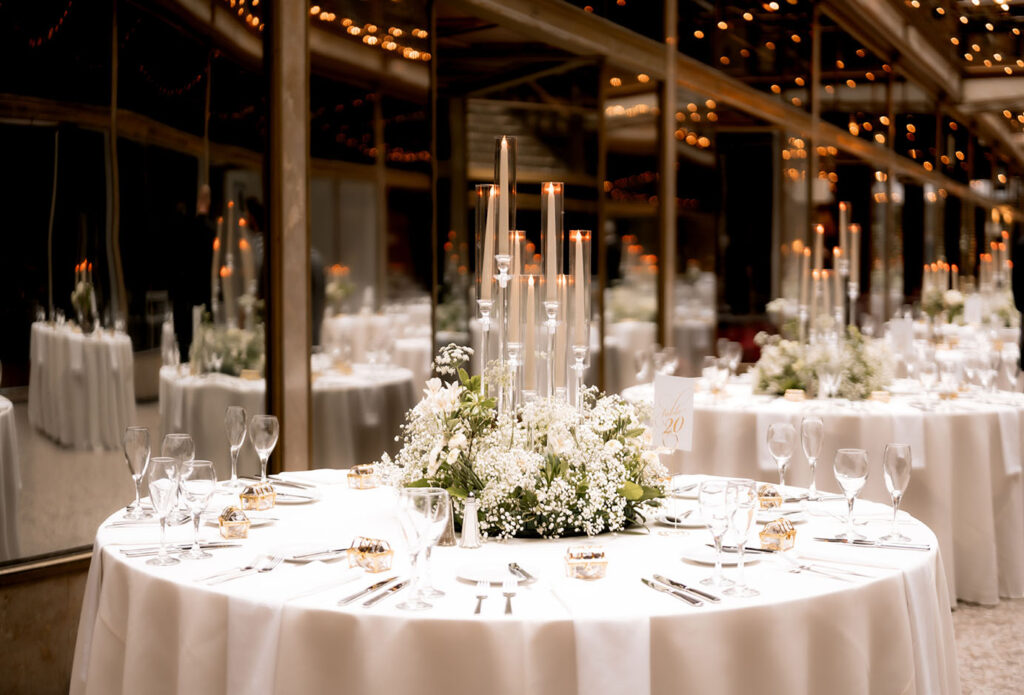
What Does a Wedding Planner Cost in Pittsburgh?
Pricing varies depending on experience and services.
Generally, couples can expect:
- Month-of coordination
- Partial planning
- Full-service planning
- Luxury planning with design and production
Rather than looking for the lowest price, focus on finding someone whose communication style, organization, and personality fit your own.
You’ll spend months working together.
That relationship matters.
My Perspective as a Pittsburgh Wedding Photographer
One of the biggest differences I notice isn’t how beautiful the flowers are or how expensive the venue is.
It’s how relaxed my couples feel.
When someone else is answering vendor questions, checking timelines, managing deliveries, and solving problems behind the scenes, couples stay present.
They’re laughing with friends, enjoying cocktails, and talking with grandparents. Those become the photographs people treasure decades later.
Without someone coordinating, I often see couples pulled away to answer questions about seating charts, deliveries, transportation, or setup.
Those interruptions may seem small, but they add up throughout the day.


Questions to Ask Before Hiring a Wedding Planner
Before signing a contract, ask:
- How many weddings do you coordinate each year?
- What services are included?
- Will you personally be present on my wedding day?
- How many meetings are included?
- How do you communicate with clients?
- Have you worked at my venue before?
- Do you provide timeline creation?
- Do you assist with vendor recommendations?
- How do you handle emergencies?
Pittsburgh Wedding Planners I Love Working With
I’ve been fortunate to collaborate with talented wedding planners who genuinely care about creating an incredible experience for their couples.
One planner I’ve especially enjoyed working with is Events by Emily. Another one who is beyond incredible is Yinz Getting Married, whose thoughtful approach and calm presence consistently help wedding days run smoothly. Wynn Events was awesome as well.
Whoever you choose, look for someone whose personality, communication style, and planning philosophy align with your own. You’ll spend months working together, so finding someone you genuinely trust is just as important as finding someone with experience.
Is Hiring a Wedding Planner Worth It?
For many couples, yes. A planner doesn’t simply organize a wedding, they protect your time. Your time is everything, so think about it.
A wedding planner reduces stress, and prevent expensive mistakes. Most importantly, they allow you to experience your wedding day instead of managing it.
Final Thoughts
Whether you choose full-service planning or simply hire a coordinator for your wedding day, having someone in your corner can make an incredible difference.
Your wedding isn’t just another event.
It’s one of the few days when everyone you love is gathered together in one place.
You deserve to spend that day celebrating—not troubleshooting logistics.
If you’re still looking for vendors who value a calm, intentional, and documentary approach to weddings, I’d love to help. Whether you’re planning a courthouse celebration, an intimate museum wedding, or a full weekend celebration, I’d be honored to document your story.
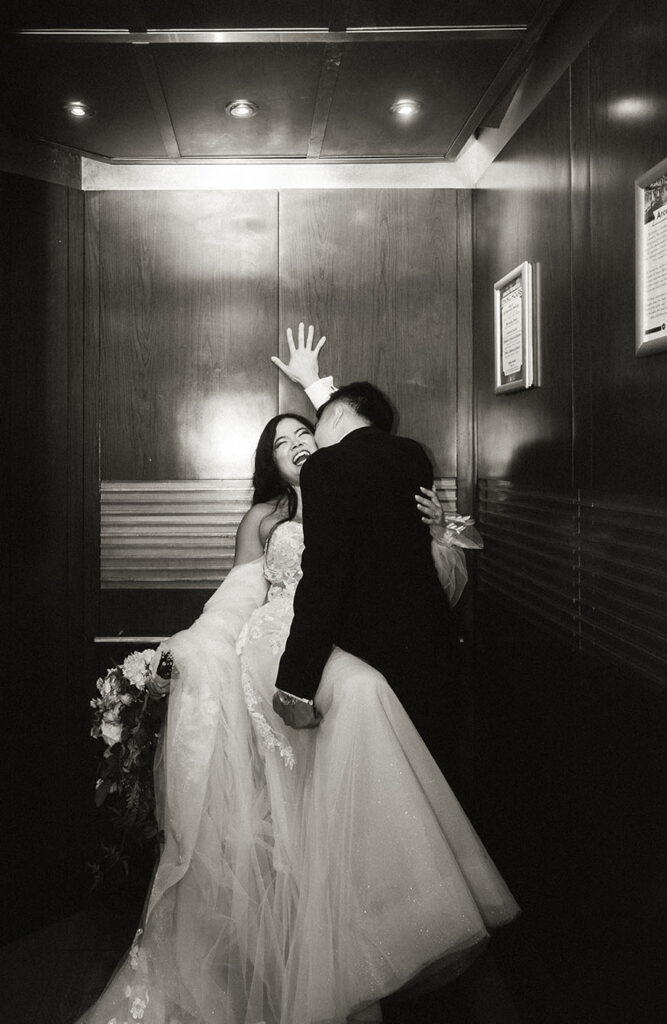
Frequently Asked Questions About Hiring a Wedding Planner
Do I need a wedding planner for a small wedding?
Not necessarily—but I almost always recommend having at least a month-of or day-of coordinator.
Even if you’re planning an intimate wedding with fewer than 50 guests, someone still needs to manage the timeline, direct vendors, answer questions, and solve any unexpected issues. Having a coordinator allows you, your partner, and your families to stay present and enjoy the day instead of worrying about logistics.
What’s the difference between a wedding planner and a venue coordinator?
This is one of the most common questions I hear from couples.
A wedding planner works for you. They help with planning, budgeting, vendor recommendations, timelines, and making sure every detail comes together exactly as you envisioned.
A venue coordinator works for the venue. Their priority is ensuring everything related to the venue runs smoothly, such as room setup, catering timelines, and venue logistics.
While many venue coordinators are wonderful, they usually aren’t responsible for managing every vendor or handling the full scope of your wedding day. If you want someone dedicated entirely to your experience, hiring your own planner or coordinator is often worth the investment.
When should I hire a wedding planner?
If you’re planning to work with a full-service wedding planner, I recommend reaching out soon after booking your venue—or even before if you’re feeling overwhelmed.
The earlier you hire a planner, the more they can help with vendor recommendations, budgeting, design decisions, and creating a realistic timeline. Many of the best planners in Pittsburgh book well over a year in advance, especially during peak wedding season.
Is hiring a wedding planner worth the cost?
For many couples, yes.
A wedding planner doesn’t just save you time—they help reduce stress, prevent costly mistakes, keep vendors organized, and allow you to enjoy your engagement instead of constantly managing a to-do list.
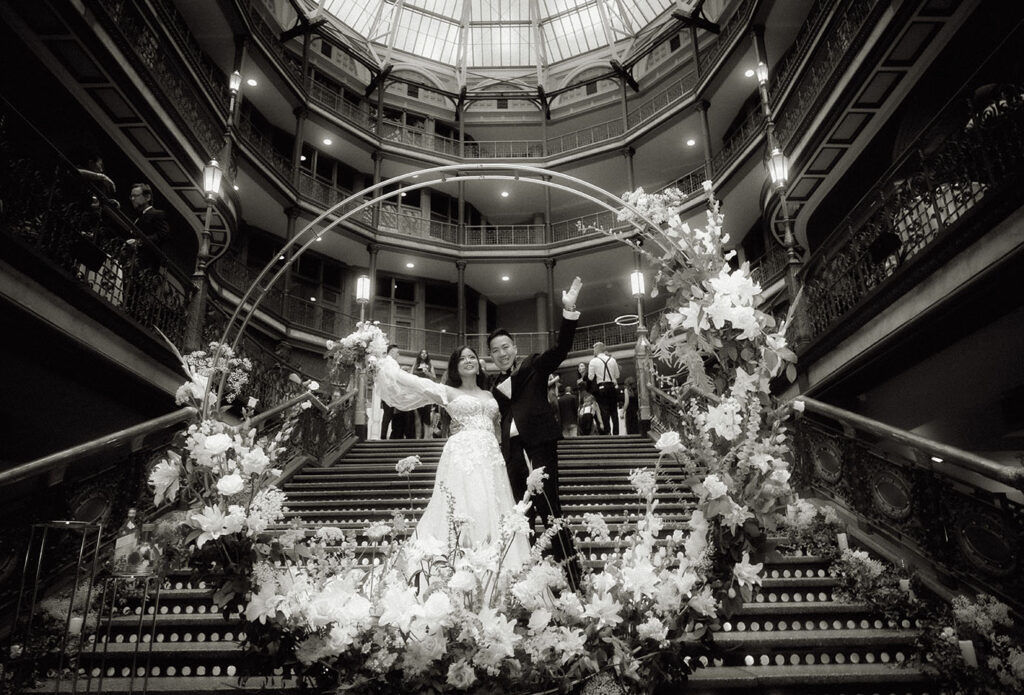
As a photographer, I notice a significant difference in how relaxed couples feel when someone else is handling the logistics. Those extra moments of laughter, conversation, and connection often become some of my favorite photographs from the day.

Can I plan my own wedding?
Absolutely.
Many couples successfully plan their own weddings, especially if they’re organized and enjoy managing projects.
However, even if you choose to handle the planning yourself, I highly recommend hiring at least a day-of or month-of coordinator. After spending months organizing every detail, you deserve to experience your wedding—not spend it answering vendor questions or troubleshooting last-minute issues.
Does a wedding photographer replace a wedding coordinator?
No.
While an experienced wedding photographer helps keep portraits, family photos, and parts of the day running on schedule, our focus is creating beautiful photographs—not managing the entire wedding.
A wedding coordinator oversees vendor arrivals, ceremony logistics, timeline adjustments, transportation, décor setup, and any unexpected situations that arise throughout the day. Having both a photographer and a coordinator allows each professional to focus on what they do best.
What happens if something goes wrong on the wedding day?
The truth is that almost every wedding has a few unexpected moments.
A delivery may run late. A boutonnière might break. Weather can change. A vendor may have a question. Most guests never notice these things because someone is quietly solving the problem behind the scenes.
When you have a planner or coordinator, they’re the first person vendors turn to for answers. Instead of interrupting you while you’re getting ready or spending time with your loved ones, they handle the issue so you can continue enjoying your day.
Should I hire a wedding planner before booking my venue?
If your budget allows, yes.
A wedding planner can help you narrow down venues that fit your vision, guest count, and budget. They often have firsthand experience working at many venues and can point out details you might not think to ask during a tour.
If you’ve already booked your venue, don’t worry. A planner can still be incredibly valuable by helping you choose the right vendors, build a realistic timeline, and guide you through the rest of the planning process.
How do I choose the right wedding planner?
The best wedding planner isn’t necessarily the one with the biggest Instagram following or the largest team—it’s the one you trust.
Schedule a consultation and pay attention to how they communicate. Do they listen to your ideas? Do they understand your priorities? Do you feel comfortable asking questions?
You’ll be working together for months, so finding someone whose personality and planning style complement yours is just as important as their experience. When you feel supported and understood, the entire planning process becomes much more enjoyable.
Questions to Ask Before Hiring a Pittsburgh Wedding Planner
Choosing a wedding planner is about much more than finding someone with a beautiful Instagram feed. This is the person who will help guide one of the biggest celebrations of your life, so it’s important to find someone you genuinely trust.
Here are some questions I recommend asking before signing a contract.
1. What services are included in your packages?
Not every planner offers the same level of service. Some specialize in full-service planning, while others focus on month-of coordination or wedding day management.
Ask exactly what’s included so you know what support you’ll receive throughout the planning process.
2. Will you personally be at my wedding?
Some planning companies have multiple planners or associates.
It’s helpful to know whether the person you’re building a relationship with will actually be there on your wedding day or whether another team member will take over.
3. Have you worked at my venue before?
While it’s certainly not a requirement, experience at your venue can be a huge advantage.
A planner who’s familiar with the space already understands the layout, vendor access, timing, lighting conditions, and common logistical challenges.
If they haven’t worked there before, ask how they prepare for new venues.
4. How do you communicate with your couples?
Planning a wedding involves a lot of conversations.
Ask how often you’ll hear from your planner and whether they primarily communicate by email, phone calls, video meetings, or planning software.
The best communication style is the one that matches yours.
5. How many weddings do you take on each year?
There’s no right or wrong answer, but it’s helpful to understand how much time your planner can dedicate to each couple.
If they manage many weddings every weekend, ask how they ensure every client receives personal attention.
6. Can you recommend vendors that fit our style and budget?
One of the biggest advantages of hiring a planner is gaining access to trusted professionals they’ve worked with before.
A great planner should be able to recommend photographers, florists, caterers, musicians, rental companies, hair and makeup artists, and other vendors whose work aligns with your vision—not simply the most expensive options.
7. How do you create the wedding day timeline?
The timeline is one of the most important parts of a wedding day.
Ask how they build it, whether they collaborate with your photographer and other vendors, and how flexible it is if the schedule changes.
As a photographer, I can tell you that a thoughtful timeline helps everything feel relaxed and intentional.
8. What happens if something unexpected comes up?
Every wedding has a few surprises.
Maybe transportation runs late.
Maybe it rains.
Maybe the florist is delayed.
Ask how they typically handle unexpected situations and what their backup plans look like.
Their answer will tell you a lot about their experience.
9. Do you attend the rehearsal?
If your wedding includes a rehearsal, find out whether your planner or coordinator will be there to guide everyone through the ceremony.
Having someone lead the rehearsal often makes everyone feel more confident the following day.
10. What makes your approach different?
This is one of my favorite questions.
Every planner has their own philosophy.
Some focus heavily on design.
Others excel at logistics.
Some are incredibly calm under pressure.
Others bring boundless creative energy.
Their answer will help you understand whether their personality is the right fit for you.
11. Can I see examples of weddings you’ve planned that are similar to ours?
Whether you’re planning a museum wedding, an intimate courthouse celebration, a black-tie ballroom reception, or an outdoor estate wedding, ask to see examples that reflect your vision.
It can give you confidence in their experience and spark new ideas for your own day.
12. What happens after the wedding ends?
This is a question many couples forget to ask.
Will they help pack up décor?
Coordinate gifts and personal items?
Return rental pieces?
Organize leftover flowers?
Confirm vendors have everything they need before leaving?
Knowing someone is handling these final details allows you to truly enjoy the end of your celebration instead of worrying about cleanup.
My Advice
After photographing weddings throughout Pittsburgh for many years, one thing has become incredibly clear to me: the best planner isn’t necessarily the most expensive or the most well-known.
It’s the one who makes you feel heard.
The one who understands your priorities.
The one who keeps you calm when things don’t go exactly as planned.
And the one who allows you to spend your wedding day focused on the people you love instead of the logistics happening around you.
Your planner should feel like a trusted guide—someone who quietly takes care of the details so you can be fully present for one of the most meaningful days of your life.
Planning Your Pittsburgh Wedding? Here Are More Helpful Resources
- How to Get Married in Pennsylvania (Marriage License Guide)
- How to Book the Allegheny County Courthouse
- How to Choose Your Wedding Attire
- What to Wear for Engagement Photos
- How Documentary Wedding Photography Creates More Emotional Photos
- How to Plan a Wedding at Phipps Conservatory
- Top Editorial Wedding Venues in Pittsburgh

Leave a Comment